The Drug We Don't Question
Alcohol is everywhere.
A wedding toast. A drink after work. A bottle opened at dinner with friends.
Alcohol appears in moments of celebration, connection, and everyday life. It’s so familiar that most of us rarely stop to think about it.
How did drinking become such a normal part of modern culture? And what might change if we started asking a few more questions about the role it plays in our lives?
Please Drink Responsibly begins with those questions.
About The Film
Please Drink Responsibly is a feature documentary exploring the strange and deeply normalized relationship modern society has with alcohol.
For generations, drinking has been framed as harmless, celebratory, even essential to connection. But behind that story lies another one—shaped by industry influence, cultural traditions, and billions of dollars in marketing.
So how did one of the most harmful substances in widespread use become our culture’s drink of choice?
This film follows that question.
Through interviews with scientists, authors, sober influencers, marketers, and former industry insiders, Please Drink Responsibly blends investigative storytelling with humor, uncomfortable truths, and a growing movement of people rethinking alcohol’s place in modern life.
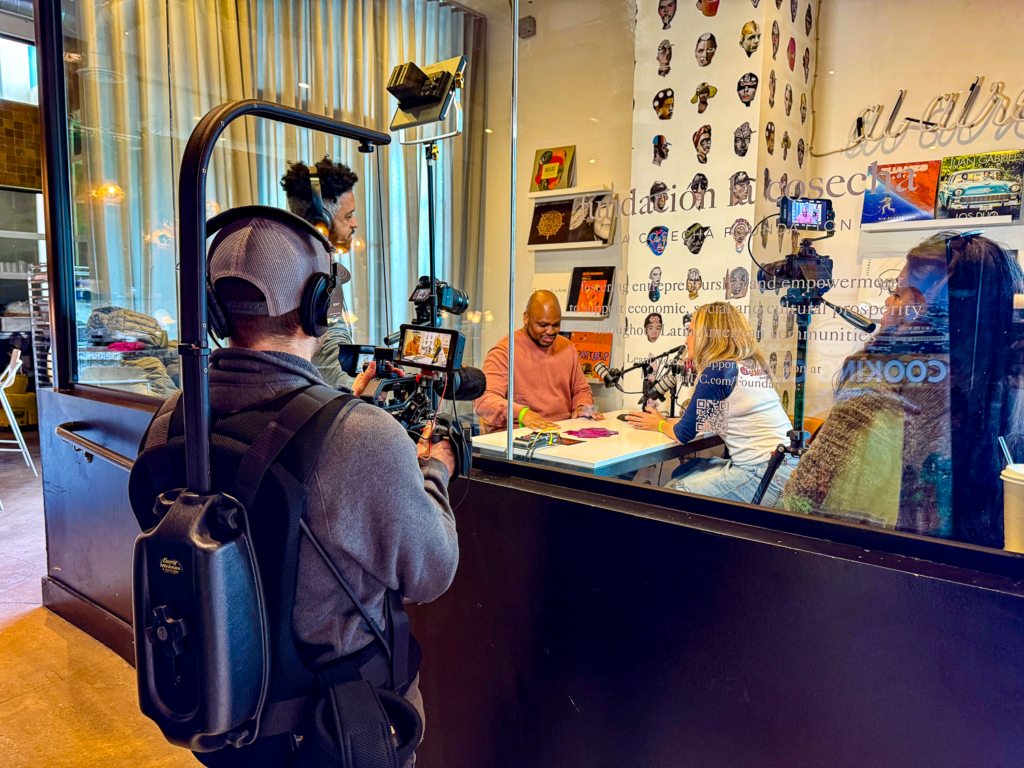
~Chris Marshall
The Questions We Never Ask
Every investigative journey starts with a question. In this case, it started with a few.
Why is alcohol the only drug on earth we feel the need to justify not using? Why do so few people know about the link between alcohol and cancer? And why do so many people believe drinking is necessary for connection?
These questions lead to bigger ones. Questions about culture, marketing, politics, and money. About connection and what it means to be social.
This film is an exploration of those questions.
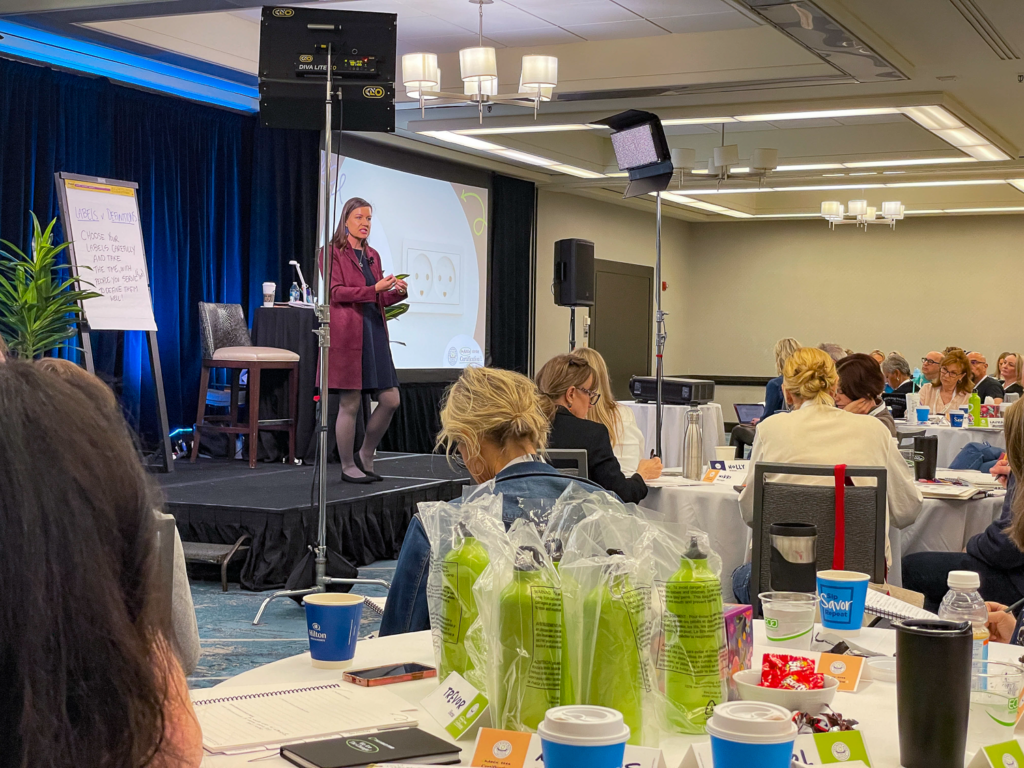
~ Annie Grace
Follow the Money
Alcohol isn’t just a drink. It’s a trillion dollar global industry with deep ties to sports, entertainment, and politics.
From stadium sponsorships to product placement in films, alcohol has become woven into the cultural moments that shape how we celebrate, relax, and connect.
But behind that visibility is an economic reality that raises some uncomfortable questions.
An industry that:
• Encourages responsible drinking, while knowing a large portion of its profits come from people drinking far beyond recommended limits.
• Spends billions each year on advertising, sponsorships, and product placement to keep alcohol at the center of social life.
• Benefits when drinking remains normalized, unquestioned, and rarely discussed in deeper terms.
The deeper you look, the clearer one thing becomes:
Understanding alcohol means understanding the system around it.
This film begins that exploration.
Film Voices
Authors & Cultural Voices
• Annie Grace
Author of This Naked Mind and leading voice in the alcohol free/sober-curious movement.
"We get further and further away from this inner connection, from our inner wisdom, from our inner knowing. Which is what so many of the traditional recovery systems do by telling us we're broken and we're powerless and that we can't be trusted with our own lives."
• Chris Marshall
Founder of Sans Bar and pioneer of alcohol-free nightlife.
"How else could they sell a cancer inducing poison?The only way to sell alcohol is to connect it to the endemic experience of human connection. We need human connection to be human."
• Holly Whitaker
Author of Quit Like a Woman and founder of the recovery platform Tempest
"The alcohol industry would actually go bankrupt if people drink responsibly. Most of their profits come from people that drink far above what the recommendations are. So if people actually follow the guidance of big alcohol to drink responsibly and to keep it within those guidelines, they lose, the the figures are anywhere between 60 to 80% of their revenue. Yeah, they would they would go extinct"
• Ruby Warrington
Author of Sober Curious, the book that named a global cultural shift around alcohol.
"We live in what I like to call a dominant drinking culture, meaning it is absolutely the norm to drink. There is also so much stigma around quitting drinking because there's so much stigma around alcohol addiction, when actually addiction to alcohol is incredibly normative.Our brain is almost wired to become addicted to a substance like alcohol"
• Megan Wilcox
Founder of SobahSistahs, a global alcohol free community for women, and advocate challenging “mommy wine culture”.
"You think you're drinking to relax and the next thing you know, you're dying on the bathroom floor."
• Ella Parlor
Alcohol marketing executive and author of High Tolerance, The Intoxicating World of Alcohol Marketing
"I was trying to give more of an insight into the business perspectives of the alcohol industry. The assumption, of course, is that with being the life of the party or having fun, alcohol is synonymous with that."
Researchers & Scholars
• Thomas F. Babor, PhD
Public health researcher and leading global expert on alcohol policy
"There are a number of economic benefits, but they are more than offset by the cost of alcohol to society. So there's a deficit and somebody then is having to pay for that. So society is subsidizing the profits of the alcohol industry."
• Mark Lawrence Schrad, PhD
Author of Smashing the Liquor Machine and historian of global alcohol policy.
"That allowed the liquor traffic to come back after prohibition with a better image, all cleaned up. Once where they were sort of the dregs of society and this parasite on the local community. Now, they were being reframed as these are patriotic, dues paying, taxpaying industries that could boost our bottom line. So there was a bit more respectability to it in the postwar years. And then you get more and more of the relaxation of some of these advertising issues."
• Anre Venter
Notre Dame psychology professor studying alcohol messaging in media.
"If you look at alcohol ads, it's about community, it's about connecting, it's about friendship, it's about feeling. What do you do over time if you're exposed to those things over and over and over again, you associate that emotion with that product, right? And so the sense of community, we drink together."
→Read Anre's Bio
• Ted Mandell
Notre Dame film professor and co-creator of the “Drunk on Film” course.
"Alcohol is a big business. It brings in a lot of money. It's the cash cow. We're never going to change that. What we can change is people's understanding of how alcohol affects them and how it's pervasive throughout the culture."
• James Leonhardt
Marketing professor studying how advertising shapes beliefs, identity, and behavior.
"The way you want to be seen amongst your peers... THAT's what they're selling"
Student & Gen Z Perspectives
• Sammi Dunlap
Notre Dame student and Drunk on Film teaching assistant discussing Gen Z’s evolving drinking culture.
"I think that without social media, big alcohol wouldn't necessarily be where it is today. I think that it drives a lot of the revenue conversion, drives a lot of the overall consumption of media for us."
• Maggie Murphy
Notre Dame student and Drunk on Film teaching assistant representing Gen Z’s changing relationship with alcohol.
"I feel like this class really takes a much more interesting and vulnerable approach to alcohol, and it really makes students think about their alcohol consumption and how they view it in the media. And I think the class is just set up in a way that makes it really easy for students to want to talk about it"
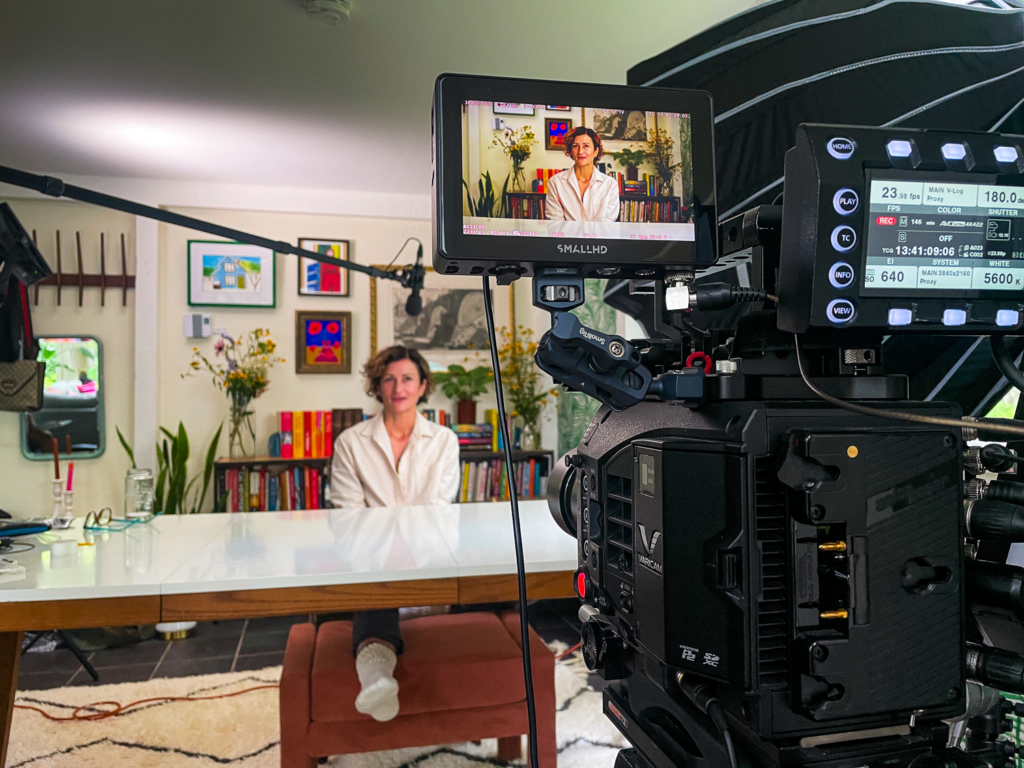
~Holly Whitaker